
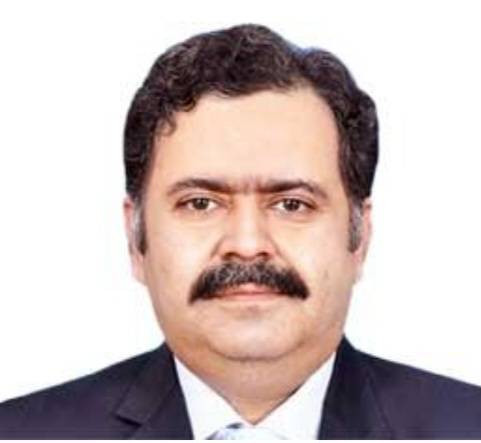
According to the Public Relations and International Affairs Department of the Chabahar Free Zone Organization, Atif Omar Khalil, Director General of Special Economic Zones and Investment Promotion at the Investment Organization of the Islamic Republic of Pakistan, announced that Pakistan has allocated 1,500 hectares of land in the Gabd border area for the establishment of the Rimdan–Gabd Joint Free Zone.
He also proposed the establishment of three specialized working groups to examine and follow up on issues related to the project: the Trade and Economy Working Group, the Customs, Taxes and Duties Working Group, and the Central Banks of the Islamic Republic of Iran and the Islamic Republic of Pakistan Working Group.
Khalil explained that the Trade and Economy Working Group could address issues related to trade, investment, and private-sector activities, with the participation of representatives from the two countries’ economic and trade authorities. The Customs, Taxes and Duties Working Group would focus on coordinating regulations and procedures related to economic exchanges, while banking, financial matters, and mechanisms for conducting transactions would be addressed through the working group involving the central banks of the two countries.
He noted that concentrating relevant issues within these three working groups could enhance coordination among the authorities concerned in both countries and accelerate decision-making on the Rimdan–Gabd Joint Free Zone.
The meeting also reviewed areas of cooperation between the Chabahar Free Zone Organization and its Pakistani counterpart, the border capacities of Rimdan and Gabd, and the requirements for advancing the project.
The Rimdan–Gabd Joint Free Zone is being pursued with the aim of expanding border trade, facilitating economic exchanges, attracting investment, and strengthening economic cooperation between the Islamic Republic of Iran and the Islamic Republic of Pakistan.


